
Push Back
Data Centers Need Guardrails, And Neighborhoods Deserve A Voice
Written By Views & News Staff
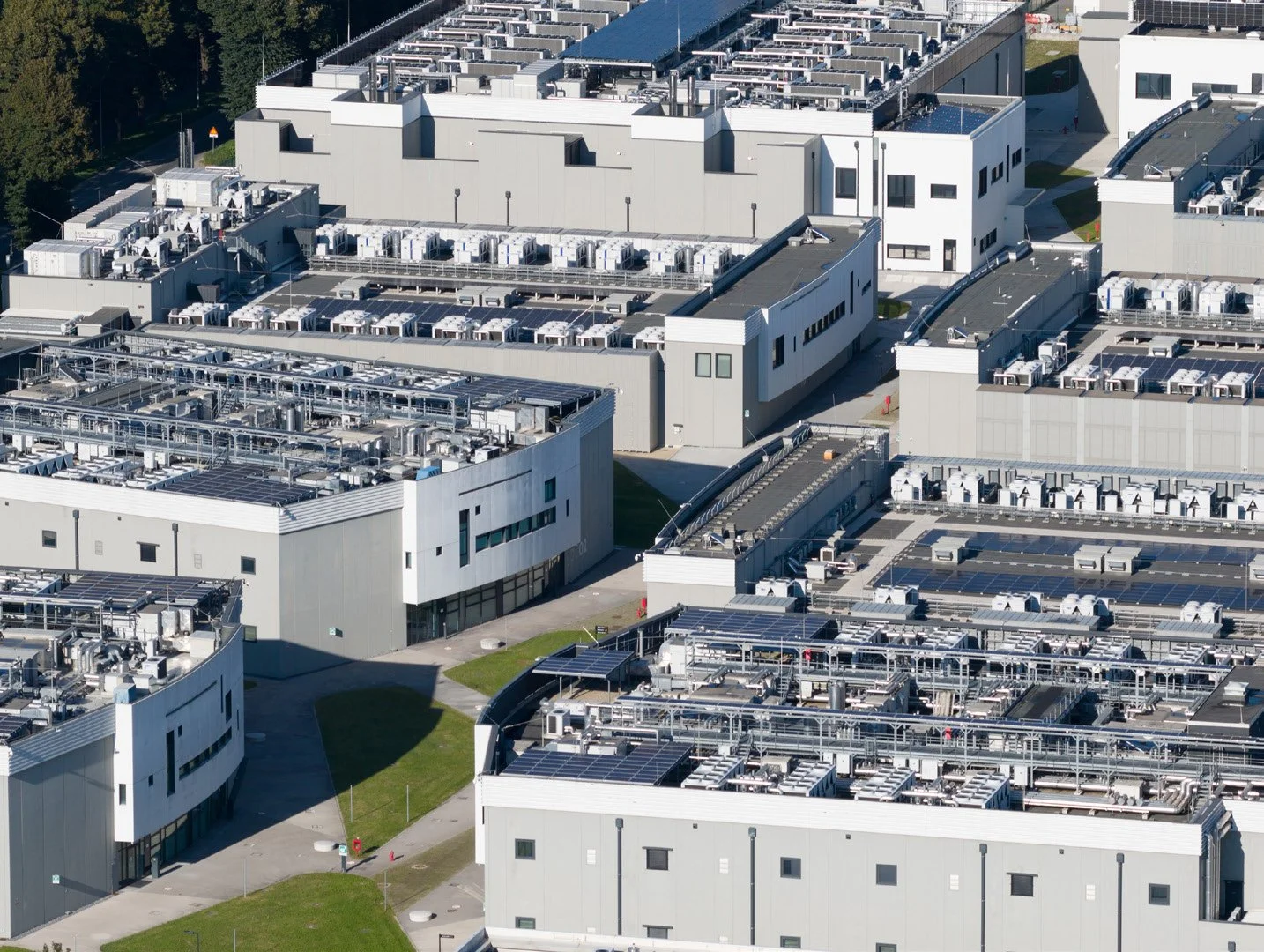
Across Tarrant County, a rare bipartisan revolt is taking shape over the breakneck pace of data center development.
This time, it’s Republican officials leading the charge to slow things down, protect the electric grid and water supply, and make sure homeowners aren’t steamrolled by projects being approved just a few hundred feet from their front doors.
The most visible flashpoint sits in North Tarrant County on the Keller-Westlake line, where a large-scale data center has been proposed in the Town of Westlake, directly adjacent to the Marshall Ridge neighborhood in Keller.
According to residents and local officials, the proposed development sits just over 200 feet from Keller homes. A City of Keller’s request asks Westlake to match the roughly 1,200-yard buffer Westlake affords its own residents, rather than leave Keller families with a fraction of that protection.
“Our top priority is to protect Texans’ safety and quality of life. Simply put, Texans must come first.”
The dispute has escalated beyond city hall: the project is now tied up in a temporary restraining order and litigation, as neighbors fight to pause construction until real answers are provided on noise, water use, grid impact and local setbacks.
At their August 11 meeting, Fort Worth’s City Council took its own action, voting unanimously for a temporary 90-day moratorium on new data center development while the city stands up the Fort Worth Data Center & Infrastructure Commission, chaired by TCU’s Dr. Mike Slattery, and requires new applications to show proof of grid interconnection approval from the PUC and ERCOT. The Council tied the vote to Gov. Greg Abbott’s statewide audit and pause, citing a Gallup poll finding roughly seven in ten Americans oppose AI data center development in their own communities. One month later, the Fort Worth City Council voted 7-4 to green light the $10-billion-dollar Black Mountain data center with an amended site plan with more green space and more distance from homes.
That statewide direction traces back to Gov. Abbott’s June 10 letter to PUC Chairman Thomas Gleeson and ERCOT CEO Pablo Vegas, directing both agencies to make sure data center interconnections lower, not raise, residential electric bills, require data centers to pay for their own infrastructure rather than shifting costs onto ratepayers, and review their authority to protect Texans’ property and resources. Abbott pledged to work with the Legislature next session to require water-efficient closed-loop cooling, mandate annual water and electricity reporting, and require proximity to homes setbacks and noise-reduction measures that account for the neighbors next door.
Abbott backed that up on August 3, further directing the PUCT and ERCOT to conduct a comprehensive audit of every data center in the interconnection queue and deny grid connection to any project that failed to comply. The scale of the problem is staggering: ERCOT is fielding more than 474 gigawatts of connection requests, over five times Texas’ record peak demand, with roughly 90 percent of it coming from data centers.
Lieutenant Governor Dan Patrick included data centers as a top priority in his official interim charges to hold data center regulatory, statutory and infrastructure frameworks accountable in the upcoming session. On Saturday, August 26th, at a campaign stop in Wichita Falls, Lieutenant Governor Dan Patrick emphasized the need to pause new data center development so that the legislature can enact these regulations to put guardrails around data center development. Patrick recommended a 10-month moratorium on new data center development until these laws can be passed and signed by the governor.
Abbott and Patrick are both pledging to repeal sales tax exemptions and other “outdated or unnecessary incentives” for data centers. Over ten years ago, Republicans and Democrats alike in a bipartisan and unanimous vote agreed to back tax abatements to lure data centers to Texas, back when these were modest server farms with promises of massive job creation.
The data center of 2026 is a different animal entirely. Despite the massive capital investment and construction hype, a typical data center’s permanent on-site staff runs from only a few dozen up to about 100 people depending on facility size, meaning most of these projects function as far smaller job creators than developers’ pitches suggest.
Back to the local Keller fight. Leigh Wambsganss, the Republican candidate for SD9, is the only candidate in the race to publicly back Marshall Ridge residents at both the Westlake Planning and Zoning and City Council meetings. Her statement read, “I am not opposed to data centers, I am opposed to building data centers in such close proximity to homes and schools.”
“I am not opposed to data centers, I am opposed to building data centers in such close proximity to homes and schools.”
She called the governor’s pause “the right course” and said Texans can pursue innovation while still protecting its communities, schools and natural resources.
For Tarrant County families watching cranes go up near their backyards, that may be the clearest statement yet of where this fight is headed and why the data center development pause is in order until the Texas legislature can put needed legal guardrails in place.